


Trent Hills Emergency Response Centre: A LEED Certified Emergency Hub
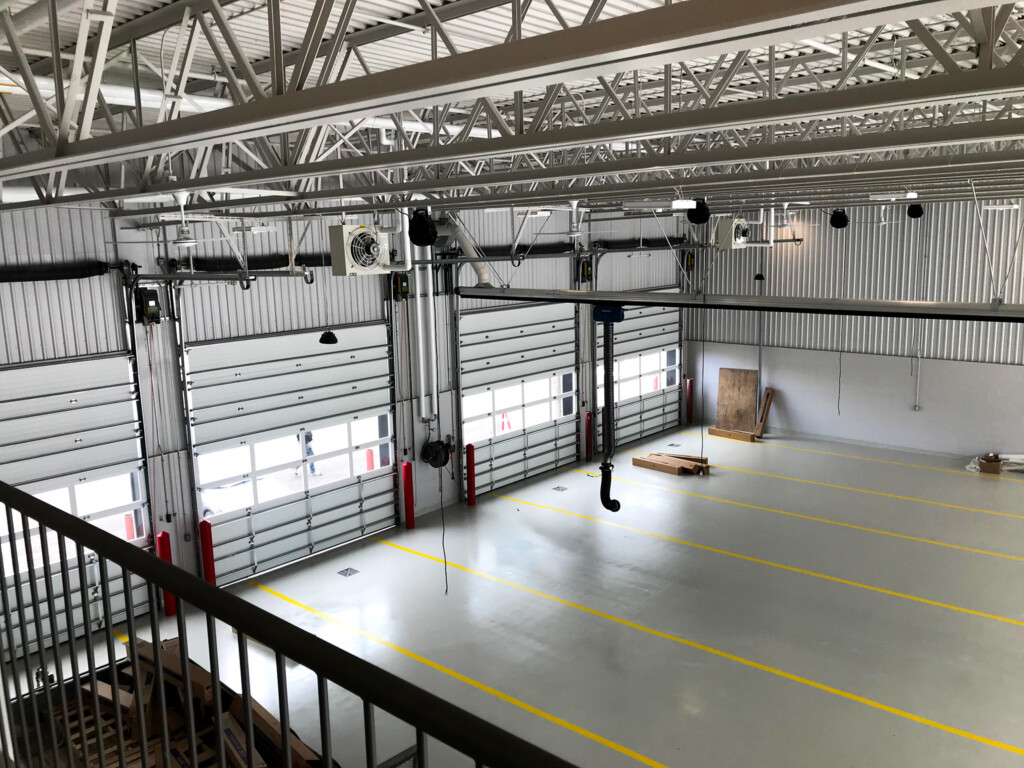
The Trent Hills Emergency Response Centre brings fire and paramedic services together in a single, purpose built facility in downtown Campbellford. Designed as a multi purpose emergency services base for Trent Hills Fire Station 1 and Northumberland Paramedics, the new building is a two storey mixed use facility with three paramedic and ten fire vehicle bays with shared gym, locker and entry/reception space, but separate equipment and work/live space.
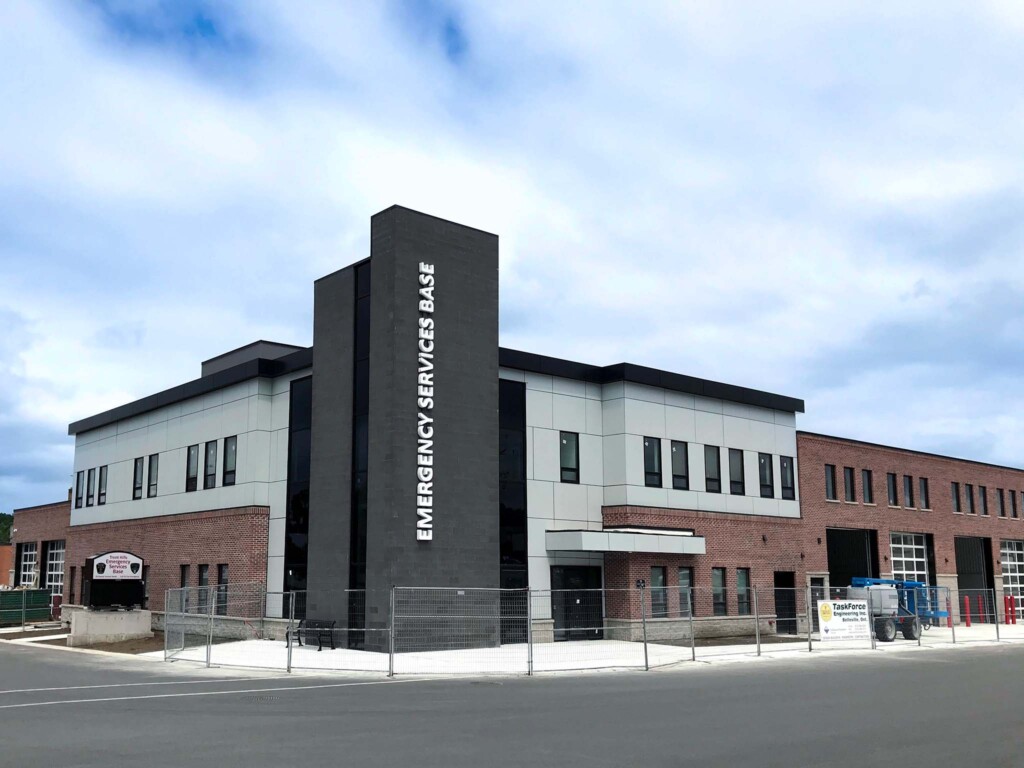
The project targeted and was able to achieve LEED silver under the LEED BD+C: New Construction rating system. The mechanical systems supported the LEED design through indoor and outdoor water use reduction, enhanced commissioning services, confirming performance through energy modelling, enhanced indoor air quality, and sourcing local materials along with staff carrying LEED Accredited Professional status.
Design Team
This achievement was made possible by our talented design team:
Project Manager

Mechanical

Our Client: Taskforce Engineering
TaskForce Engineering led the development of the Trent Hills Emergency Response Centre as the design build contractor for the Municipality of Trent Hills and the County of Northumberland, drawing on their experience delivering community focused institutional projects across Eastern Ontario. Known for their collaborative leadership and design build capability, TaskForce guided the project from early coordination through construction. This was the second emergency response facility that Callidus Engineering and Taskforce partnered on.
Trent Hills Emergency Challenges and Opportunities
Designing the facility to meet LEED requirements allowed us to champion sustainability and support a greener future for Campbellford. However, the sustainability requirements, energy modelling, and detailed commissioning introduced an additional level of coordination not typically encountered in conventional design projects. Consultant meetings and preliminary design strategies were revisited numerous times to help guide the selection of the most appropriate credits for the project. Throughout this process, the team worked to balance energy efficiency, post-construction use and maintenance, and upfront construction costs against long-term operational costs.
Technical Highlights
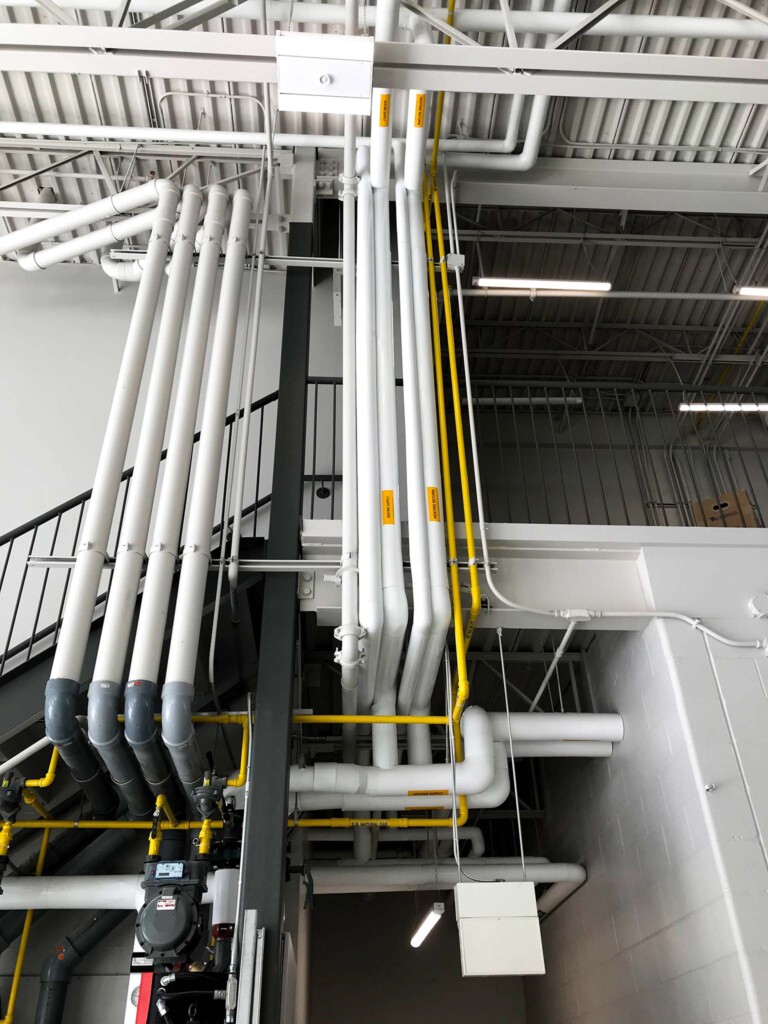
- High efficiency VRF fan coil units paired with an energy recovery ventilator provided conditioned air to the central work space which included offices, dorms, lounges locker rooms, equipment rooms and various support spaces.
- The heating plant used condensing boilers to supply hot water to infloor radiant heating in the apparatus bays and to radiant panels and fan-forced heaters in washrooms and entry ways.
- The apparatus bay exhaust systems were controlled by hazardous gas detection systems to limit operation to necessary periods and minimize the reheating of conditioned air
- As part of the LEED credits, low flow plumbing fixtures were selected for plumbing fixtures throughout the facility. Fixtures included 1.1 gpf water closets and 0.125 gpf urinals for optimized water usage.
Community Impact
The Trent Hills Emergency Response Centre gives the municipality a consolidated, resilient base for fire and paramedic services in the heart of Campbellford. Mechanical systems were selected and configured to support 24 hour operations, maintain stable indoor conditions for staff, and keep critical functions available when the community needs them most.
The HVAC systems significantly reduce energy consumption through energy-efficient VRF air systems, radiant heating systems, high-performance controls, and a robust commissioning and monitoring plan. The plumbing systems were calculated to cut potable water use by more than 40% through design strategies that included low flow fixtures. These integrated strategies also formed the basis of the project team’s submission for LEED v4 BD+C: New Construction, which was able to achieve Silver certification.
As one of Callidus Engineering’s top sustainable projects, the Emergency Response Centre shows how essential services can also be a practical demonstration of high-performance design.
Gallery